Drinking Water Filtration in Houston, TX
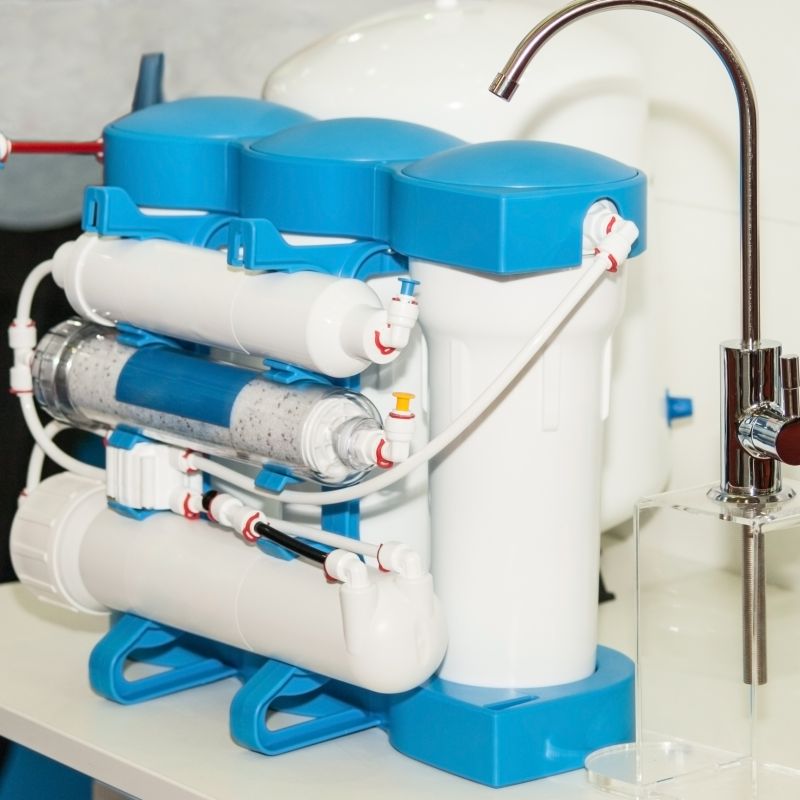
Drinking water filtration services involve installing systems designed to improve the quality and safety of tap water in residential properties. These services typically cover a range of projects, including the installation of point-of-use filters, whole-house filtration systems, and upgrades to existing setups to address common concerns such as chlorine taste, odors, sediment, or contaminants like lead and bacteria. Homeowners often seek these services to ensure their drinking water meets their health and taste preferences, especially if their property relies on well water or has aging plumbing that may introduce impurities.
Before requesting drinking water filtration services, property owners usually want to understand the types of filtration options available and how they target specific water quality issues. It’s helpful to consider the source of the water, the types of contaminants present, and the desired outcomes, such as improved taste or removal of specific impurities. Additionally, homeowners often inquire about maintenance requirements, system lifespan, and the potential impact on water pressure and flow. Having this information can help ensure the chosen filtration solution effectively addresses their household water needs.
Many property owners in Houston, TX look into Drinking Water Filtration for repairs, replacements, upgrades, and appearance-related improvements.
Benefits Of Water Filtration
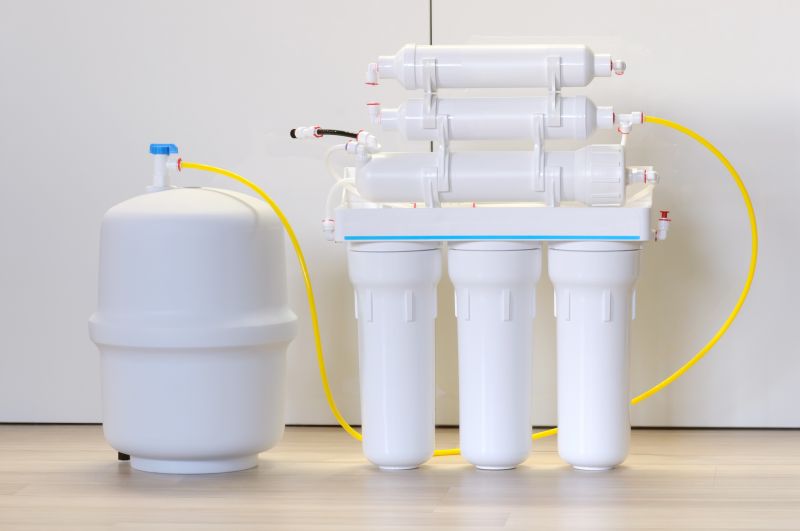
Improves water taste and quality for everyday use.
Common Filtration Systems
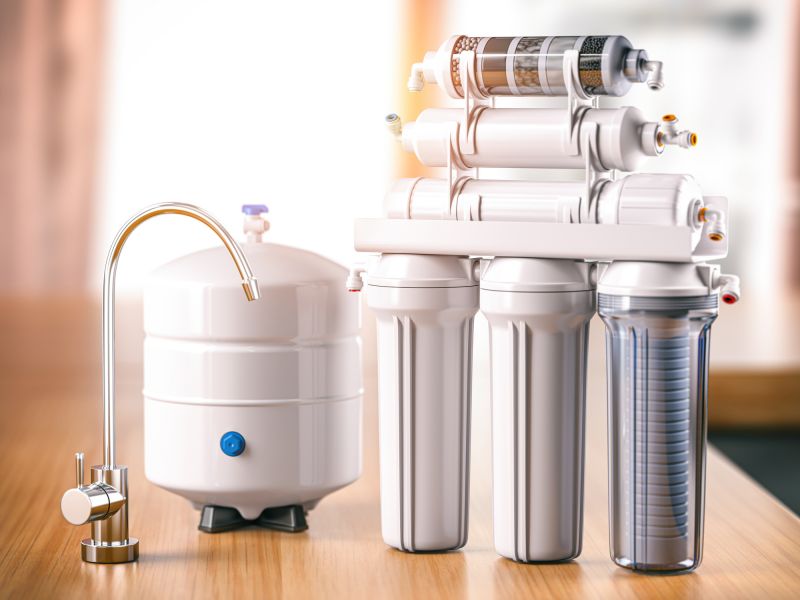
Includes reverse osmosis, activated carbon, and uv purification options.
Maintenance And Care
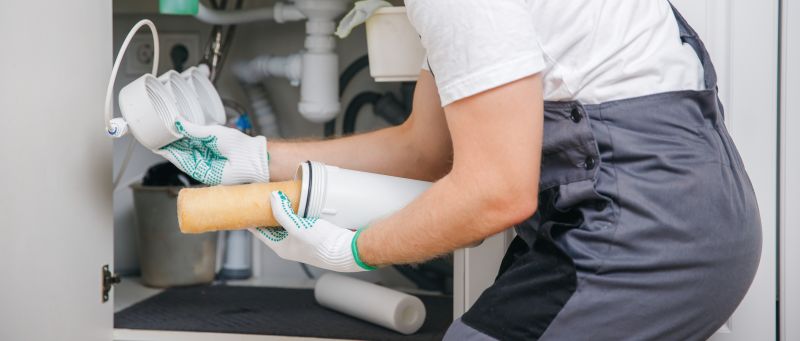
Regular filter replacements help ensure clean, safe drinking water for your home.
Drinking Water Filtration in Houston, TX

Drinking water filtration services involve installing systems designed to improve the quality and safety of tap water in residential properties. These services typically cover a range of projects, including the installation of point-of-use filters, whole-house filtration systems, and upgrades to existing setups to address common concerns such as chlorine taste, odors, sediment, or contaminants like lead and bacteria. Homeowners often seek these services to ensure their drinking water meets their health and taste preferences, especially if their property relies on well water or has aging plumbing that may introduce impurities.
Before requesting drinking water filtration services, property owners usually want to understand the types of filtration options available and how they target specific water quality issues. It’s helpful to consider the source of the water, the types of contaminants present, and the desired outcomes, such as improved taste or removal of specific impurities. Additionally, homeowners often inquire about maintenance requirements, system lifespan, and the potential impact on water pressure and flow. Having this information can help ensure the chosen filtration solution effectively addresses their household water needs.
Many property owners in Houston, TX look into Drinking Water Filtration for repairs, replacements, upgrades, and appearance-related improvements.
Common Drinking Water Filtration Jobs
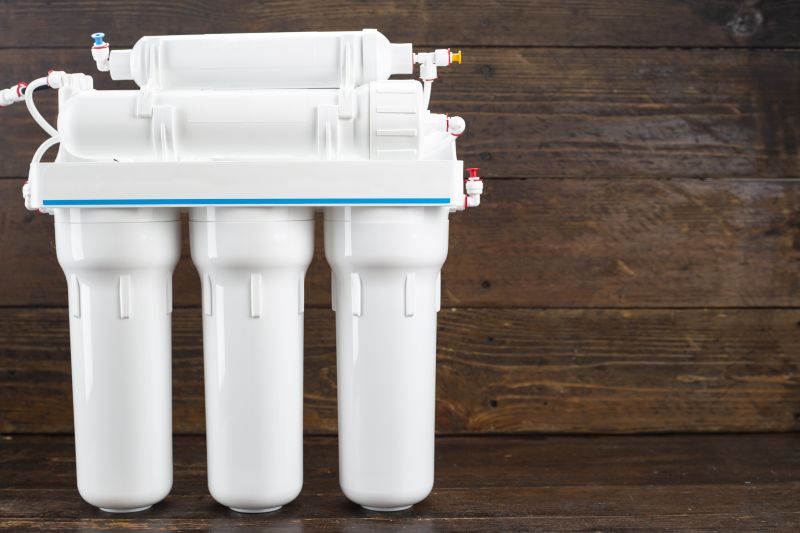
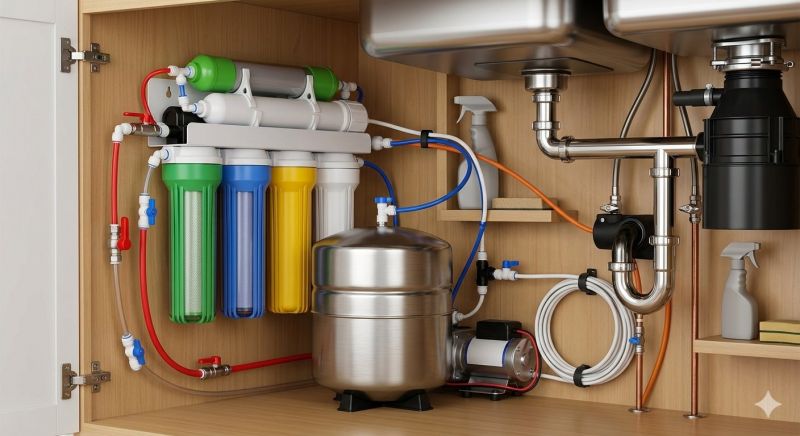
Reverse osmosis systems - remove contaminants and improve water taste with advanced filtration.
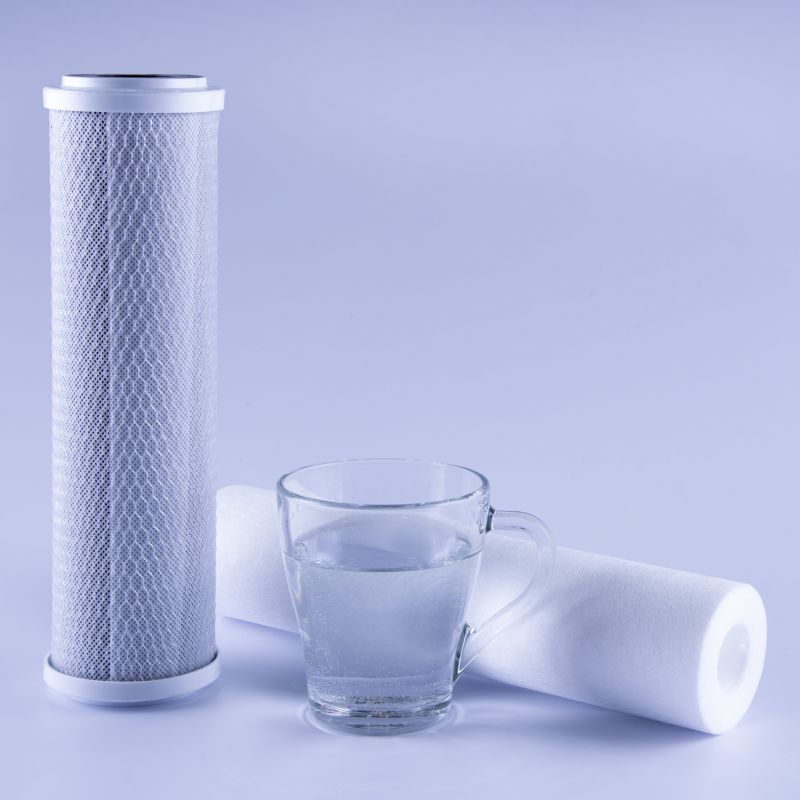
Carbon filter installations - reduce chlorine, odors, and organic compounds for cleaner drinking water.
Whole-house water filters - provide comprehensive filtration for all water outlets on a property.
Water softening systems - eliminate hard minerals to prevent scale buildup and extend appliance life.
Point-of-use filters - deliver purified water at specific taps for drinking and cooking needs.
Maintenance and replacement services - ensure filtration systems operate effectively and provide consistent water quality.
Drinking Water Filtration Questions
How does drinking water filtration improve water quality? It reduces contaminants, sediments, and impurities, providing clearer and safer drinking water for households.
What types of filtration systems are available for homes? Options include activated carbon filters, reverse osmosis units, and UV purifiers, each targeting different water concerns.
Is installation of a water filtration system complicated? Installation varies by system type but generally involves connecting to existing plumbing with minimal disruption.
How often should a water filter be replaced? Replacement frequency depends on the system, but typically filters should be changed every 6 to 12 months for optimal performance.
Request Drinking Water Filtration in Houston, TX
Use the quote form on this page to share the basics of your project and request more information for the type of work you need.